519-639-9950 | GarageCityCanada@gmail.com

5 Signs It’s Time to Replace Your Garage Door
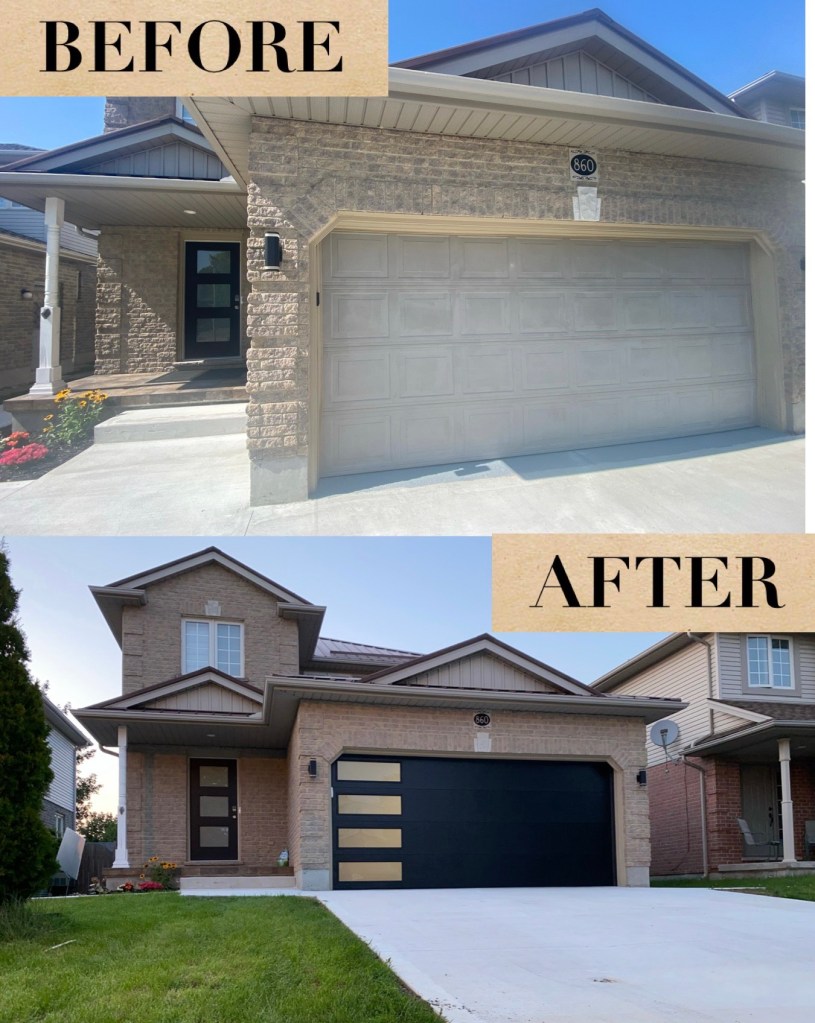
Your garage door plays a vital role in your home’s security, appearance, and daily convenience. But like any other part of your house, it doesn’t last forever. Here are 5 common signs that it might be time to replace your garage door:
1. Frequent Breakdowns
If your garage door constantly needs repairs, it might be more cost-effective to invest in a new one. Modern garage doors are more reliable, energy-efficient, and require less maintenance.
2. Noisy Operation
Older garage doors often become noisy over time due to worn-out parts or poor installation. A new garage door system will operate smoothly and quietly.
3. Outdated Appearance
Your garage door makes up a large part of your home’s exterior. Replacing an old, worn door with a modern design can boost curb appeal and even increase property value.
4. Safety Concerns
If your current garage door lacks modern safety features like auto-reverse sensors or manual release in case of emergencies, it’s time to upgrade.
5. Poor Insulation
An uninsulated or poorly insulated garage door can affect your home’s energy efficiency, especially during extreme Canadian winters. New insulated garage doors help maintain indoor temperatures and reduce energy bills.
Garage Door Maintenance Tips to Extend Its Lifespan
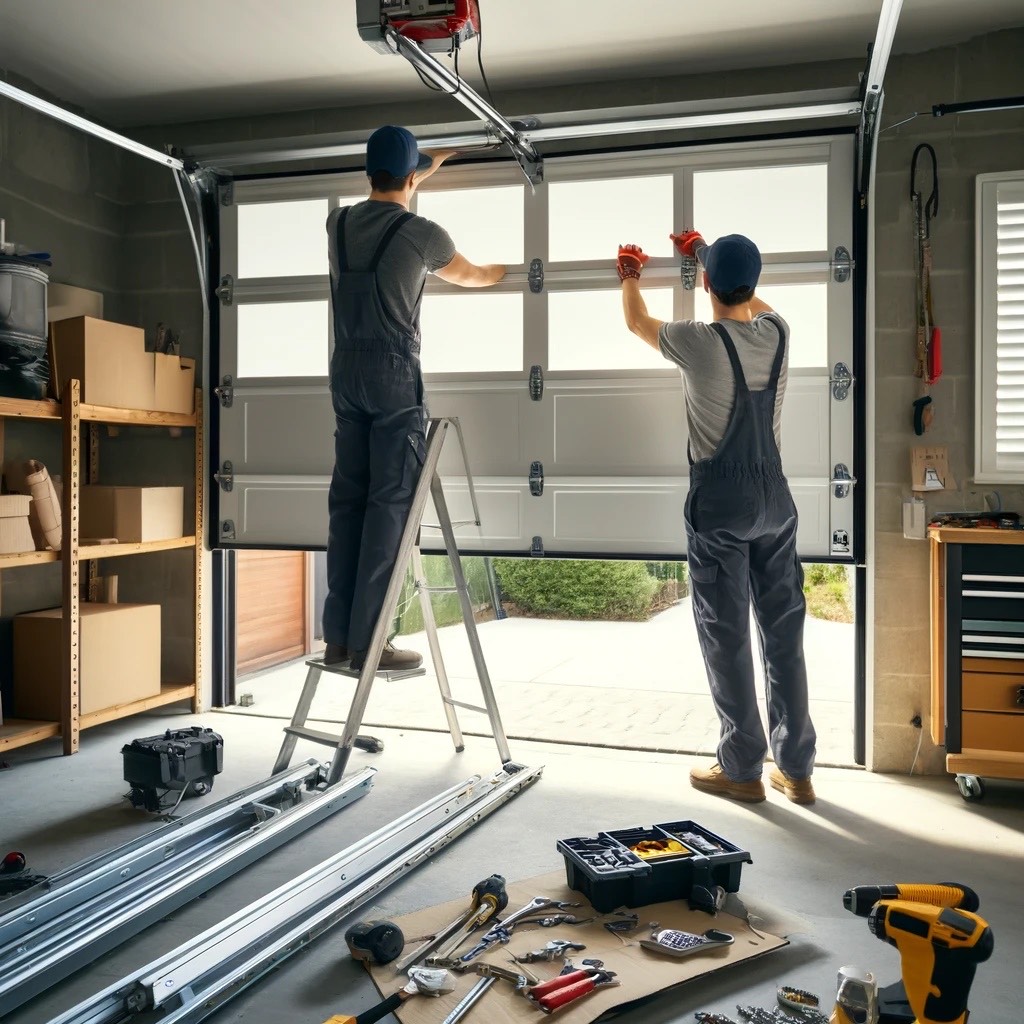
Your garage door is one of the hardest-working parts of your home. It opens and closes multiple times a day, every day — often without much thought. But without regular maintenance, small issues can become big (and expensive) problems. Here are some simple garage door maintenance tips to help extend its lifespan and keep it running smoothly for years to come.
1. Inspect and Tighten Hardware
Over time, the movement of your garage door can loosen bolts, nuts, and brackets. Check all hardware and tighten anything that feels loose. Pay close attention to hinges, roller brackets, and track supports.
2. Lubricate Moving Parts
Lubrication is key to smooth and quiet operation. Use a silicone-based lubricant or garage door-specific oil to lubricate the rollers, hinges, springs, and tracks. Avoid using WD-40 — it’s not designed for long-term lubrication.
3. Clean the Tracks
Dirt, debris, and grease buildup in the tracks can cause the door to operate poorly. Wipe the tracks clean with a damp cloth, and make sure they’re aligned correctly. If you notice major misalignment, contact a professional.
4. Test the Balance
Disconnect the garage door opener and manually lift the door halfway. If it stays in place, it’s properly balanced. If it falls or rises, the springs may need adjustment — and that’s a job for a pro.
5. Inspect the Cables and Springs
Look for signs of wear and tear on the lift cables and extension or torsion springs. Never try to repair these yourself — they are under high tension and can cause injury. If you see fraying or rust, call a garage door technician.
6. Test the Safety Features
Make sure the auto-reverse function and photo-eye sensors are working properly. Place a small object under the door — it should reverse when it touches the object or when the sensor detects something in its path.
 Garage city